
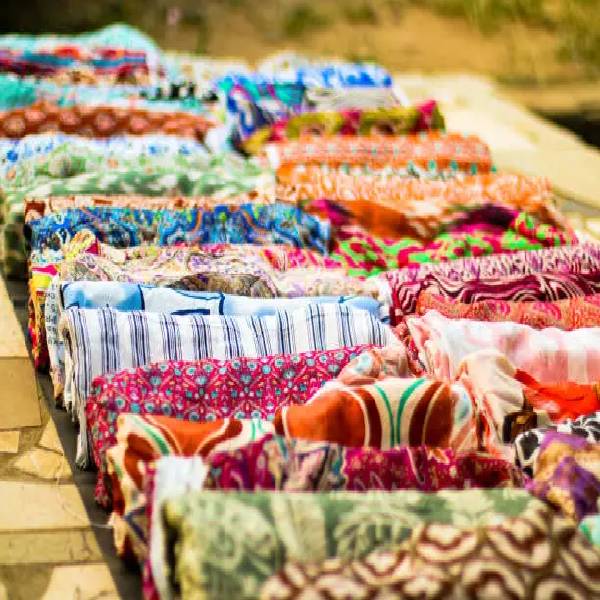
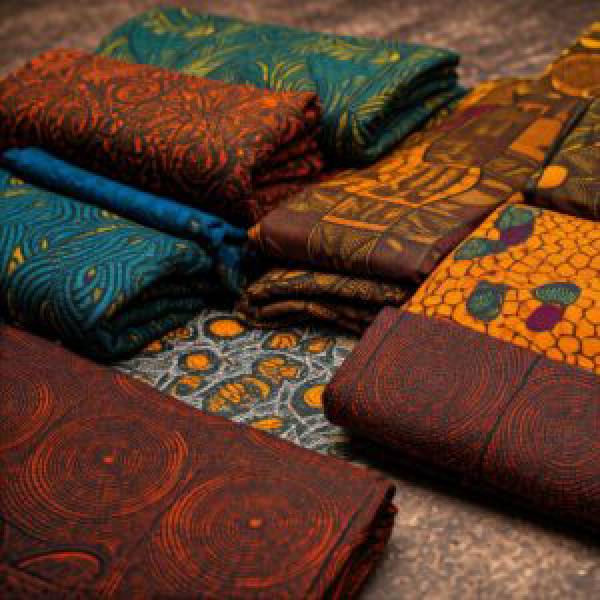

Nigeria is home to some of the world’s most stunning and culturally rich textiles. Among these, Adire and Aso-Oke fabrics stand out as iconic symbols of Nigerian heritage, artistry, and tradition. These hand-crafted materials, known for their vibrant colors, intricate patterns, and cultural significance, have transcended local use to become global fashion statements.
In this post, we’ll explore the history, beauty, and modern relevance of Adire and Aso-Oke fabrics, and why they continue to captivate the world.
What Is Adire Fabric?
Adire, meaning “tie and dye” in Yoruba, is a hand-dyed textile that originated in southwestern Nigeria. Made primarily from cotton, Adire fabrics are created using resist-dye techniques, where patterns are made by tying, folding, or stenciling fabric before dyeing it with natural indigo or synthetic dyes.
Features of Adire Fabric:
- Vibrant Patterns: The beauty of Adire lies in its unique, hand-drawn motifs and vibrant designs.
- Cultural Significance: Adire fabrics were traditionally worn for ceremonies, signifying status and identity in Yoruba culture.
- Eco-Friendly Process: The traditional use of natural indigo dye makes Adire an eco-conscious choice in today’s sustainable fashion landscape.
What Is Aso-Oke Fabric?
Aso-Oke, meaning “top cloth” in Yoruba, is a hand-woven fabric that has been crafted by the Yoruba people for centuries. It is often associated with royalty, weddings, and important celebrations. Aso-Oke fabrics are woven on narrow looms and are made from materials such as cotton, silk, or metallic threads, creating a luxurious and durable textile.
Features of Aso-Oke Fabric:
- Luxurious Textures: Aso-Oke is thicker and more textured than many other fabrics, giving it a regal appearance.
- Intricate Patterns: Designs are woven directly into the fabric, often incorporating metallic threads for added elegance.
- Versatility: Aso-Oke can be crafted into traditional outfits like Agbada, Buba, and Iro, or used for modern designs like gowns, blazers, and accessories.
The Cultural Significance of Adire and Aso-Oke Fabrics
Both Adire and Aso-Oke are deeply rooted in Nigerian culture and play significant roles in important events, such as:
- Weddings: Aso-Oke is a staple at Yoruba traditional weddings, with couples often wearing matching outfits in vibrant colors and patterns.
- Festivals: Adire is commonly worn during cultural celebrations, symbolizing pride and connection to Yoruba heritage.
- Storytelling: The patterns on these fabrics often tell stories or represent values, making them a form of visual communication.
Modern Uses of Adire and Aso-Oke Fabrics
While these fabrics have traditional roots, they are making waves in the global fashion industry:
- Fashion Runways: Designers from Nigeria and around the world are incorporating Adire and Aso-Oke into contemporary clothing lines, blending tradition with modernity.
- Home Decor: Adire and Aso-Oke are now used for cushions, curtains, and other home accessories, adding a touch of African elegance to interiors.
- Accessories: From bags to headwraps and shoes, these fabrics are being used to craft stunning accessories that showcase Nigerian artistry.
- Everyday Wear: Lightweight Adire fabrics are increasingly popular for casual, breathable outfits, while Aso-Oke adds sophistication to evening wear.
How to Care for Adire and Aso-Oke Fabrics
To maintain the beauty of these fabrics, it’s essential to handle them with care:
- Hand Wash or Dry Clean: Adire, especially when hand-dyed, should be gently washed to preserve its colors and patterns. Aso-Oke fabrics, due to their texture, are best dry cleaned.
- Store Properly: Store in a cool, dry place to prevent moisture or mildew damage.
- Avoid Direct Sunlight: Prolonged exposure to sunlight can fade the vibrant colors of these fabrics.
Where to Find Authentic Adire and Aso-Oke Fabrics
For those looking to purchase these stunning textiles, here are some tips:
- Local Markets: Cities like Lagos, Abeokuta (a hub for Adire), and Ibadan are great places to find authentic pieces.
- Online Stores: Many Nigerian artisans now sell Adire and Aso-Oke on platforms like Etsy, Instagram, or their personal websites.
- Custom Orders: Many fabric makers allow you to order custom designs, perfect for weddings or special events.
Why Adire and Aso-Oke Are Perfect for Sustainable Fashion
As the fashion industry moves toward sustainability, Adire and Aso-Oke fabrics stand out as eco-friendly choices. The traditional techniques used to create them prioritize craftsmanship over mass production, reducing environmental impact. By supporting local artisans and wearing these fabrics, you contribute to the preservation of cultural heritage and sustainable practices.
Final Thoughts
Adire and Aso-Oke fabrics are more than just textiles—they are works of art, carriers of culture, and symbols of Nigerian pride. Whether you’re drawn to the intricate patterns of Adire or the regal elegance of Aso-Oke, these fabrics offer a timeless blend of tradition and innovation.
Embrace the beauty of Nigeria’s textile heritage by incorporating Adire and Aso-Oke into your wardrobe, home, or next special occasion. Celebrate the artistry, support local artisans, and wear your culture with pride.